

Ramadan, the ninth month of the Islamic lunar calendar, is a period of spiritual reflection marked by fasting from dawn until sunset. This practice, observed by Muslims worldwide, involves abstaining from food, drink, and oral medication during daylight hours. While primarily a religious observance, Ramadan fasting has garnered attention for its potential health benefits, including the alleviation of cancer, obesity, and diabetes.
Ramadan Fasting and Cancer
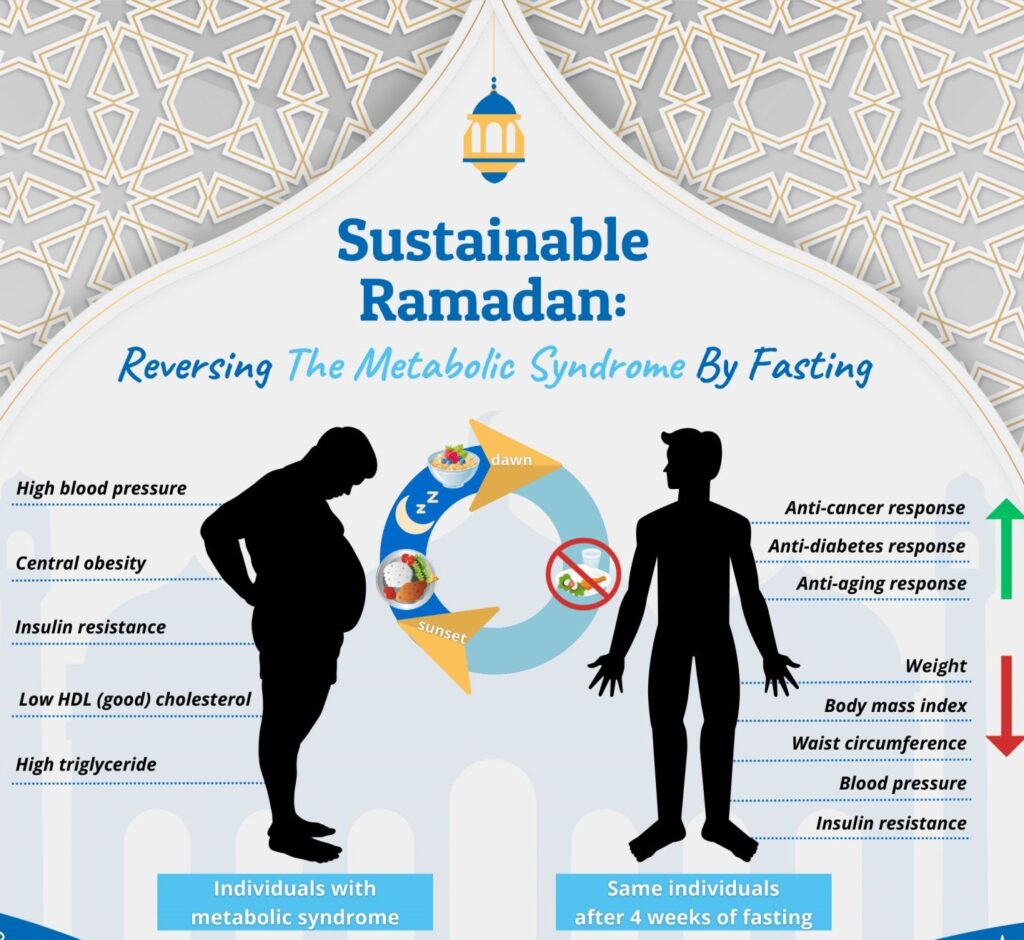
Emerging research suggests that Ramadan fasting, a form of intermittent fasting, may have beneficial effects on cancer. A study published in the journal Cureus investigated the impact of Ramadan fasting on colorectal cancer (CRC) patients undergoing chemotherapy. The study found that a significant number of patients reported improved tolerability of chemotherapy side effects and a sense of “serenity” after fasting during Ramadan. Although the study did not reveal a significant decrease in tumor biomarkers, carcinoembryonic antigen (CEA) and lactate dehydrogenase (LDH), the mean level of CEA was substantially reduced in the fasting group. This reduction was attributed to a significant decline in CEA levels in three patients with remarkably high levels. Moreover, the study found no adverse effects of fasting on renal function, minimizing concerns about kidney damage.
The potential mechanisms behind the anti-cancer effects of fasting may involve the induction of cancer-specific T-cell activation, which enhances the cancer cell-killing effect. Fasting may also lead to profound metabolic changes in the body, such as the reduction of circulating levels of growth factors and inflammatory cytokines associated with various malignancies. However, it’s important to note that some experts advise against fasting for individuals undergoing active cancer treatment (Religious Fasting and Blood Cancer, 2025). The decision to fast should be made in consultation with a medical team, considering the individual’s treatment plan and overall health.
Ramadan Fasting and Obesity
Ramadan intermittent fasting (RIF) has been linked to favorable metabolic changes and reduced risk of chronic diseases, including obesity (Hugo Francisco de Souza, 2024). A study published in Nature investigated the lipidomic alterations associated with RIF in metabolically healthy overweight and obese subjects. The study found that RIF was associated with improved levels of lipid profile compartments and inflammatory markers. These changes in lipid metabolism may confer short-term protection against cardiometabolic problems in patients with overweight/obesity.
The study also found that RIF was associated with significant reductions in body weight, body mass index (BMI), body fat percent, and fat mass. These findings suggest that RIF can be an effective strategy for weight management. Additionally, RIF was associated with attenuated plasma triglycerides (TG) and total diglycerides (DG), further supporting its beneficial effects on lipid metabolism. However, some studies suggest that changes in diet during Ramadan in some Gulf states can contribute to weight gain (Daisy Carrington, 2013). It’s important to maintain a balanced diet and avoid overeating during non-fasting hours to maximize the weight-loss benefits of Ramadan fasting.
Ramadan Fasting and Diabetes
While fasting is generally not recommended for individuals with type 1 diabetes, some people with well-controlled type 2 diabetes may be able to fast safely during Ramadan. However, it’s crucial to consult with a healthcare provider before making the decision to fast. A pre-Ramadan assessment can help identify potential risks and adjust medication plans accordingly. The International Diabetes Federation (IDF) and Diabetes and Ramadan (DAR) International Alliance have developed practical guidelines to assist healthcare providers in managing diabetes during Ramadan (Shehla Shaikh, 2022). These guidelines emphasize the importance of risk stratification, medication adjustments, blood glucose monitoring, and dietary advice.
Fasting during Ramadan can pose risks for people with diabetes, including hypoglycemia (low blood sugar) and hyperglycemia (high blood sugar). Hypoglycemia is a greater risk for those taking insulin or certain diabetes pills (Fasting during Ramadan with Diabetes, Joslin Diabetes Center,2022). Hyperglycemia can occur after breaking the fast due to overeating. Dehydration is also a concern, especially during longer and hotter days. Frequent monitoring of blood glucose levels is essential to identify and address these risks. It is important to break the fast if blood glucose levels fall too low (below 70 mg/dl) (Fasting during Ramadan with Diabetes, 2022). The dawn meal (Suhoor) should include a balance of whole-grain carbohydrates, protein, and fat to help slow digestion and maintain fullness throughout the day.
In brief, Ramadan fasting, as a form of intermittent fasting, shows promise in alleviating cancer, obesity, and diabetes. Studies suggest potential benefits in improving chemotherapy tolerability, reducing tumor markers, promoting weight loss, improving lipid profiles, and managing blood sugar levels. However, it’s essential to recognize that individual responses to fasting can vary, and not everyone is suitable for this practice (Religious Fasting and Blood Cancer, 2025). Individuals with pre-existing health conditions, especially those undergoing medical treatments, should seek personalized guidance from healthcare professionals. By combining the spiritual aspects of Ramadan with informed health practices, individuals can strive for holistic well-being during this holy month.
 Dr. Hasan has a doctoral degree in green bioengineering and works as a postdoctoral researcher at the Harold Hamm Diabetes Center affiliated with the Department of Biochemistry and Physiology, The University of Oklahoma Health Sciences Center. Hasan’s research focuses on multiple directions such as bile acid metabolism in liver disease, gene therapy for treating liver cancer and non-alcoholic fatty liver disease and diabetes mellitus.